


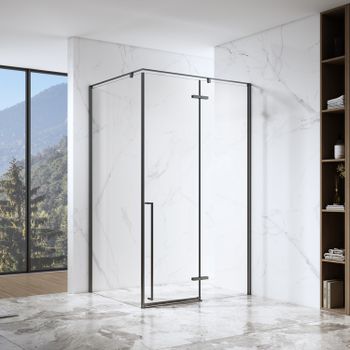
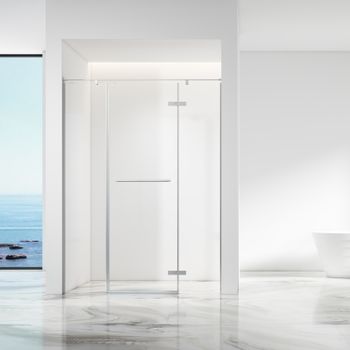

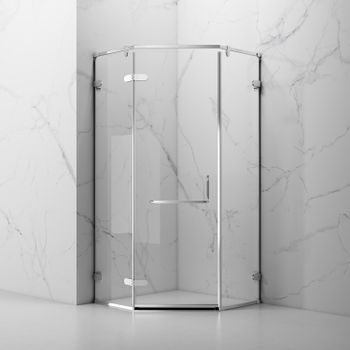
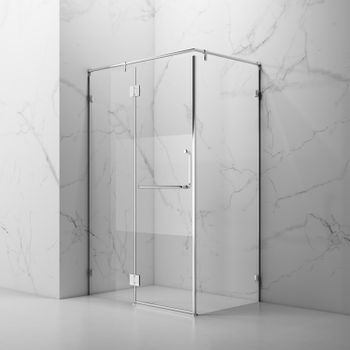
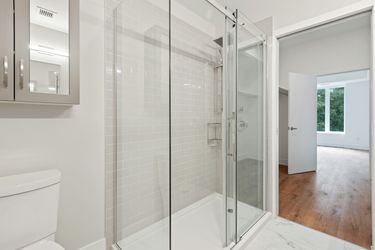
What is the Standard Shower Door Size? A Complete Guide to Choosing the Right Fit
When remodeling your bathroom or replacing old fixtures, one of the most important—and often overlooked—decisions is choosing the right shower door. Whether you're aiming to create a sleek, modern space or simply updating an outdated model, understanding the standard shower door size is key. With the right size, you can avoid unnecessary costs, save time, and ensure a hassle-free installation.
At FusaShower, we understand that selecting the perfect shower door isn’t just about aesthetics; it’s about finding the right fit for your unique bathroom layout. In this guide, we'll explore what the standard shower door size is, why it’s crucial for your renovation project, and how FusaShower can help you make the best choice for your home.
Understanding the Standard Shower Door Size
So, what is the standard shower door size? While shower doors can be customized to fit specific spaces, there are widely accepted standard dimensions that manufacturers and contractors commonly follow.
For single-panel swinging doors, the typical standard shower door size ranges from 22 inches to 36 inches wide. The most common height for shower doors is between 72 inches and 78 inches.
If you're considering a sliding (bypass) shower door, the standard width expands to fit openings between 48 inches and 60 inches, often used for bathtub and walk-in shower combinations.
While there is some variation, these measurements serve as a useful starting point when planning your renovation or selecting a ready-made shower door.
Factors That Influence Shower Door Size
Several factors play a role in determining the right standard shower door size for your space:
Bathroom Layout: The available space around your shower influences whether you should choose a pivot, sliding, or bi-fold door.
Shower Opening Size: If your shower enclosure falls outside the typical range, you may need a custom door.
Door Type: Sliding doors need more horizontal room, while hinged or pivot doors need clearance to swing open.
Framed vs. Frameless: Frameless shower doors, while stylish, often require precise sizing and strong wall support.
Understanding these factors ensures that the standard shower door size you choose fits your space both functionally and aesthetically.
How to Measure for a Shower Door
To find the correct standard shower door size, proper measurement is essential. Here are the basic steps:
Measure the Width: Measure the shower opening at the top, middle, and bottom. Use the smallest width measurement for best fit.
Measure the Height: Determine the desired height from the base (usually the top of the tub or curb) to where the door will end—usually between 72" and 78".
Check for Plumb Walls: Use a level to ensure your walls are straight. Uneven walls may affect door installation and sealing.
Even when you aim to use a standard shower door size, measuring accurately can prevent leaks, misalignment, and costly adjustments.
Types of Shower Doors and Their Standard Sizes
Different types of shower doors offer different standard sizes, depending on the opening and design preference:
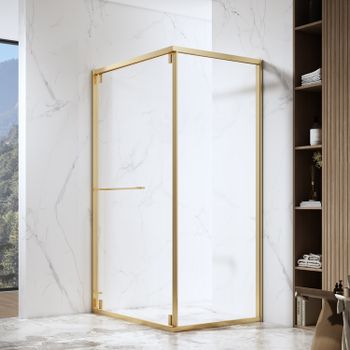
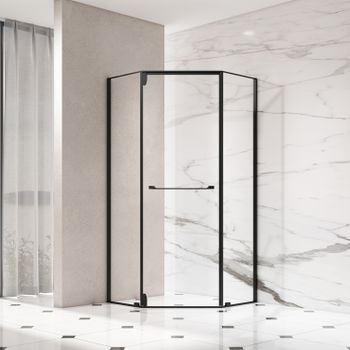
Pivot or Hinged Doors: These doors swing open like a regular door. The standard width ranges from 22" to 36". They're ideal for spacious bathrooms.
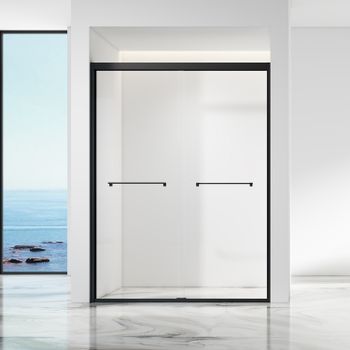
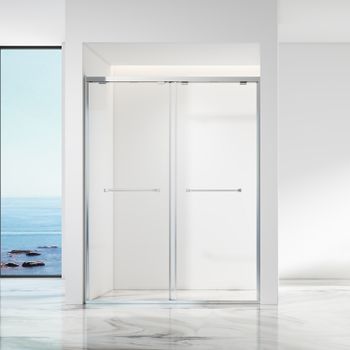
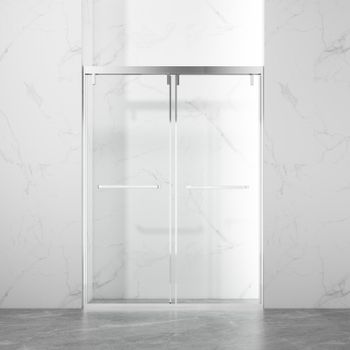
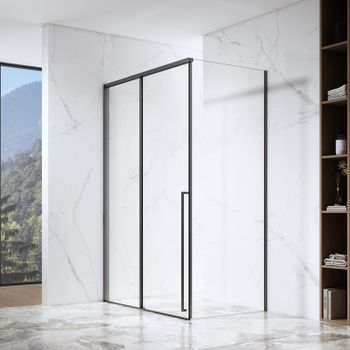
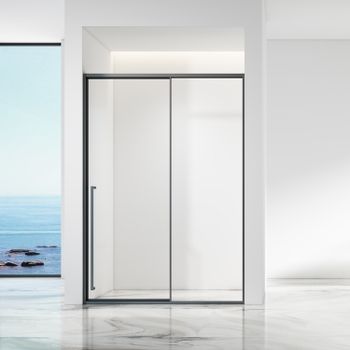
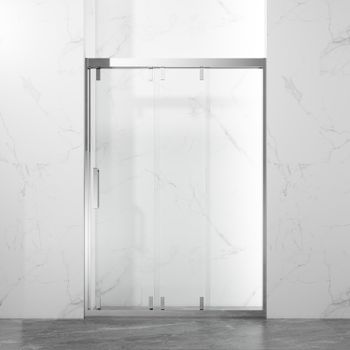
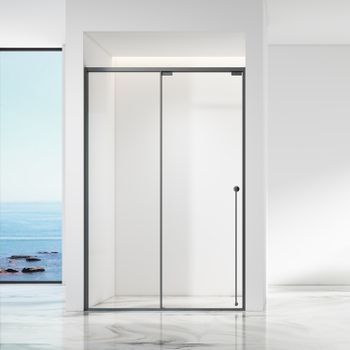
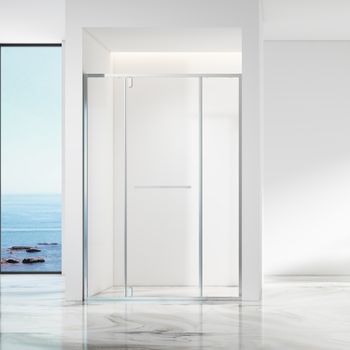
Sliding Doors: Common in tub-shower combos and larger enclosures, they usually fit spaces between 48" and 60".
Bi-fold Doors: Great for tight spaces, these fold inward or outward and come in widths from 30" to 48".
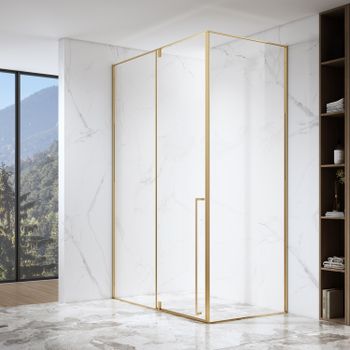
Frameless Glass Doors: Typically custom but still often follow standard shower door size guidelines for mass-produced models.
Selecting the right door type is just as important as knowing the size, especially when dealing with small or irregular bathrooms.
FAQs About Standard Shower Door Sizes
Can shower doors be customized?
Yes. While standard sizes are convenient and budget-friendly, custom shower doors can be made to fit unique layouts and dimensions.
What if my shower opening is too narrow or wide?
You can opt for adjustable framed doors or have a frameless door custom-made to fit your space.
Are frameless doors the same size as framed ones?
Not quite. Frameless doors typically use thicker glass and require more precise installation, though they often follow similar size ranges.
Can I install it myself?
Some standard shower doors are suitable for DIY installation, but professional help is recommended—especially for frameless or custom designs.
How do I choose the right door type?
It depends on your layout and space. Sliding doors are great for tight areas; hinged or frameless styles suit larger spaces.
Conclusion: Finding the Right Fit for Your Bathroom
Choosing the right standard shower door size is essential for any successful bathroom renovation. Whether you're aiming for a modern upgrade, improved functionality, or added home value, accurate sizing ensures a seamless fit and long-term performance. At FusaShower, we make that process easy with a wide selection of premium shower doors—available in both standard and customizable sizes—to suit every layout, style, and budget. From sleek frameless designs to space-saving sliding options, our expert team is here to help you measure correctly, choose the right configuration, and find the perfect solution for your space.
Ready to upgrade your shower experience? Visit FusaShower’s official website to explore our full collection, get inspired, and request a free quote today.

©2024 FUSA All Rights Reserved.