


Everything You Need to Know About Shower Enclosure Materials
When planning a bathroom upgrade, it's easy to get caught up in choices like tile patterns, lighting fixtures, or modern faucets. But there's one key element that often slips under the radar—the shower enclosure material. This single decision can influence not only the appearance of your bathroom but also how it performs over time in terms of safety, durability, and maintenance.
A well-selected shower enclosure material contributes to a cleaner space, minimizes water leakage, and enhances daily comfort. Whether you're drawn to sleek frameless glass or prefer something more practical like acrylic, understanding the pros and cons of each option is essential.
To make your decision easier, this guide—brought to you by Fusa Shower, a trusted shower enclosure manufacturer known for quality and reliability—will walk you through everything you need to know about shower enclosure materials and how to choose the right one for your home.
What Is Shower Enclosure Material?
The term shower enclosure material refers to the primary substances used to construct the panels, doors, and frames of your shower enclosure. These materials must withstand daily exposure to water, heat, soap, and regular cleaning.
From sturdy tempered glass to lightweight acrylic, each shower enclosure material offers distinct benefits and limitations. Understanding these differences can help you choose a solution that matches your design preferences and functional needs.
Common Types of Shower Enclosure Materials
Choosing the right shower enclosure material depends on multiple factors, including your budget, bathroom layout, and aesthetic goals. Let’s break down the most popular options:
Tempered Glass
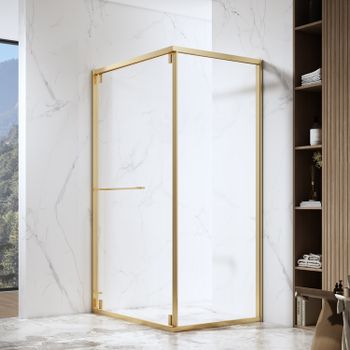
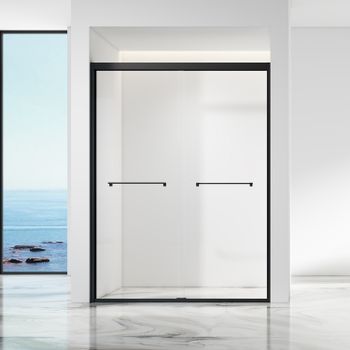
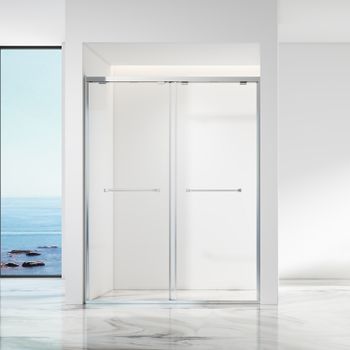
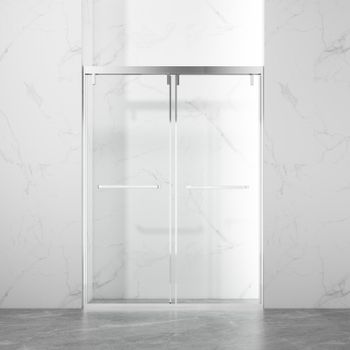
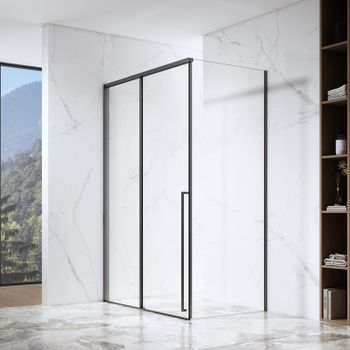
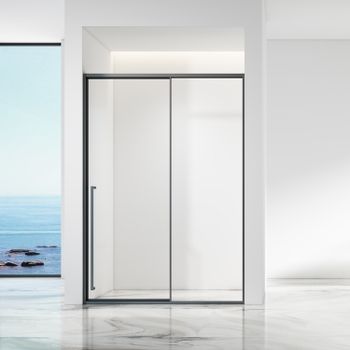
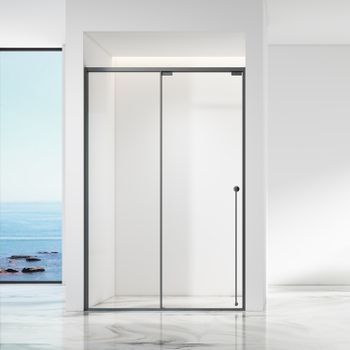
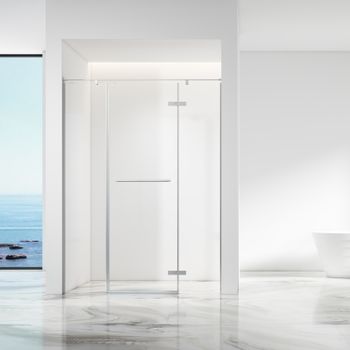
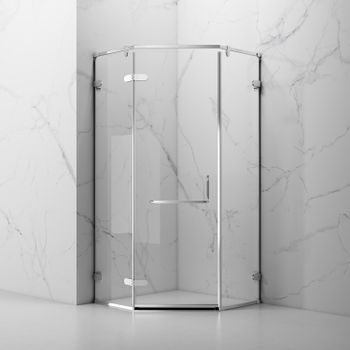
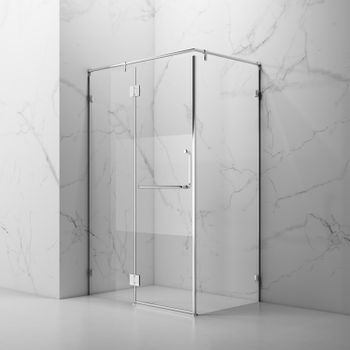
Tempered glass is one of the most popular and reliable choices when it comes to shower enclosure material. It’s been heat-treated to increase its strength and, if broken, it shatters into small, less dangerous pieces.
Advantages:
- Excellent safety performance
- Sleek, modern look
- Easy to clean and maintain
- Enhances natural light flow in the bathroom
Disadvantages:
- Heavier than other materials
- More expensive upfront
Tempered glass is a favorite among homeowners seeking a clean, minimalistic finish while prioritizing long-term durability.
Acrylic or Plastic Panels
Acrylic, polycarbonate, and other plastics are often used in budget-friendly or prefabricated enclosures. As a shower enclosure material, acrylic has a lot to offer for simple renovation projects.
Advantages:
- Lightweight and easy to install
- Cost-effective
- Resistant to shattering
Disadvantages:
- Can scratch or stain over time
- Shorter lifespan compared to glass
Acrylic is a practical shower enclosure material for secondary bathrooms or rental units where cost and simplicity matter.
Frosted or Textured Glass
For homeowners who value privacy but still want a refined look, frosted or patterned glass is an excellent shower enclosure material. It diffuses light while obscuring visibility.
Advantages:
- Maintains privacy without blocking light
- Stylish and contemporary
- Available in various textures and patterns
Disadvantages:
- May require more cleaning to prevent watermarks
- Slightly more expensive than clear glass
Frosted glass is perfect for shared or family bathrooms where privacy is key.
Aluminum and Stainless Steel Frames
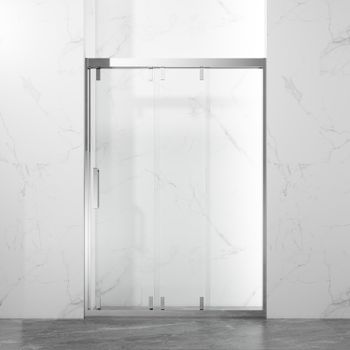
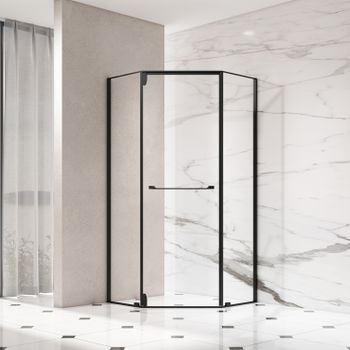
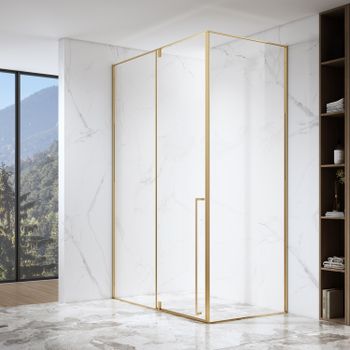
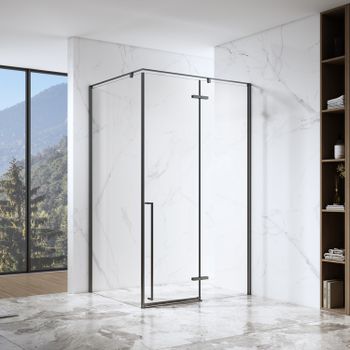
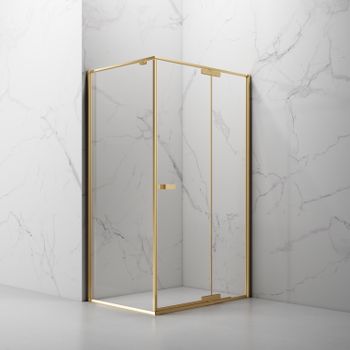
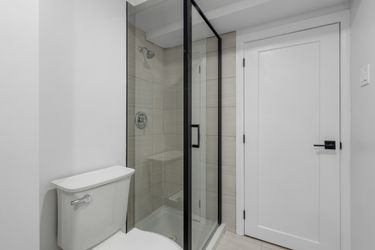
While not the panel material itself, the frame is just as important when discussing shower enclosure material. Most enclosures feature aluminum or stainless-steel framing to support glass or acrylic panels. Stainless-steel frames are especially valued for their strength, corrosion resistance, and modern appearance, making them ideal for long-lasting, stylish bathrooms.
Advantages:
- Corrosion-resistant and long-lasting
- Offers structural support
- Adds a modern or industrial touch
Disadvantages:
- Can collect soap scum if not cleaned regularly
- Visible frames may not suit minimalistic styles
Pairing the right frame with your chosen panel material enhances both the stability and style of your shower enclosure. At Fusa Shower, we use premium 304 stainless steel in its designs, offering exceptional corrosion resistance, superior durability, and a clean, modern aesthetic. This high-quality material ensures reliable, long-lasting performance—especially in the humid conditions of a bathroom.
How to Choose the Right Shower Enclosure Material
With so many options, selecting the best shower enclosure material comes down to your specific needs. Here are a few tips to guide your decision:
- For small bathrooms: Choose clear tempered glass to create an open, spacious feel.
- For family bathrooms: Opt for acrylic or frosted glass for added safety and privacy.
- For high-end renovations: Frameless tempered glass is ideal for a luxurious, clean look.
- For budget-conscious projects: Acrylic panels offer good value without compromising functionality.
Keep in mind your lifestyle, how often the shower is used, and how much maintenance you're willing to commit to when selecting your shower enclosure material.
Maintenance Tips for Shower Enclosure Materials
No matter which shower enclosure material you choose, regular care is essential for long-term performance and appearance:
- Clean regularly with non-abrasive products to prevent build-up.
- Avoid harsh chemicals that could damage coatings or finishes.
- Dry the surface after each use to reduce water stains and mold growth.
A well-maintained shower enclosure not only looks better but also lasts longer—helping you get the most out of your investment.
Final Thoughts
Choosing the right shower enclosure material is more than just a design decision—it’s a long-term investment in safety, user comfort, and overall product longevity. For residential and commercial bathrooms alike, the enclosure plays a crucial role in how the space functions and feels day after day. Whether your priorities are cost-effectiveness, elegant aesthetics, or easy, low-maintenance performance, there’s a material option that aligns with your project goals.
By gaining a clear understanding of the strengths and trade-offs of each shower enclosure material, you're empowered to make informed choices that not only satisfy your end users but also enhance the value of your renovation or construction work.
At Fusa Shower, we specialize in providing high-quality, customizable shower solutions tailored to the needs of builders, contractors, and developers. If you're sourcing materials for residential developments, hotel bathrooms, or high-volume renovations, our team is ready to support your project with reliable products and responsive service. Visit our website to explore material options, technical specs, and bulk pricing—or contact our sales team directly for personalized recommendations. Let Fusa Shower be your trusted partner in bathroom design.

©2024 FUSA All Rights Reserved.