


What is the Difference Between a Shower Enclosure and a Walk-in Shower?
When designing or renovating a bathroom, one of the key decisions homeowners face is choosing the right type of shower. Two popular options are shower enclosures and walk-in showers. While these two options may seem similar at first glance, they offer different functionalities, aesthetics, and advantages. This article explores the key differences between shower enclosures and walk-in showers, helping you make an informed decision that suits your needs and preferences.
Understanding Shower Enclosures
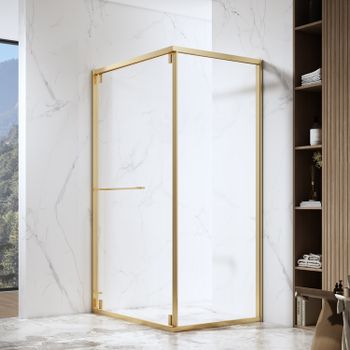
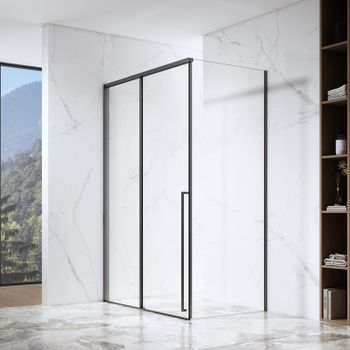
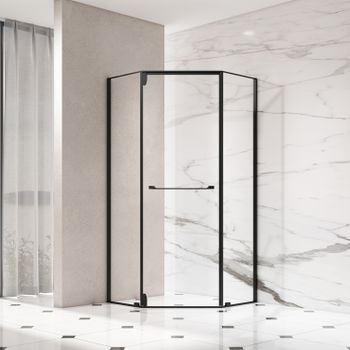
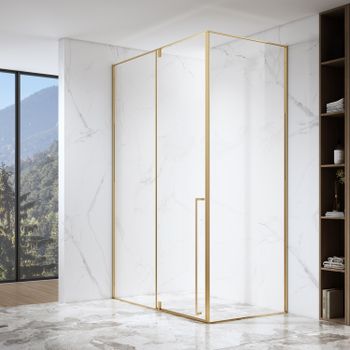
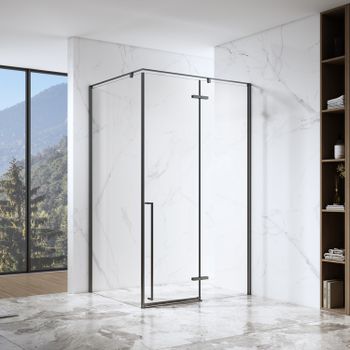
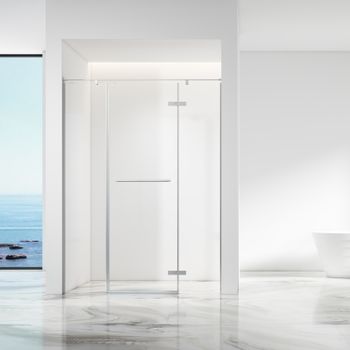
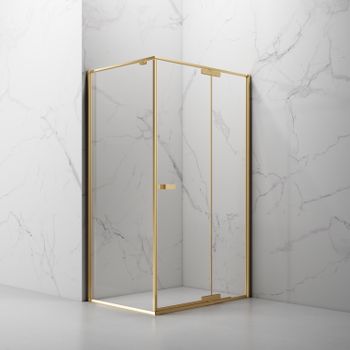
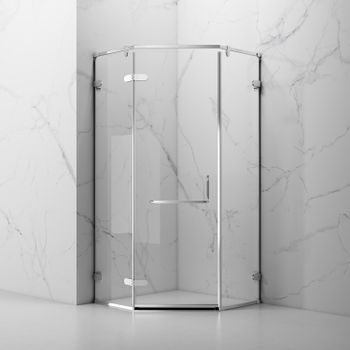
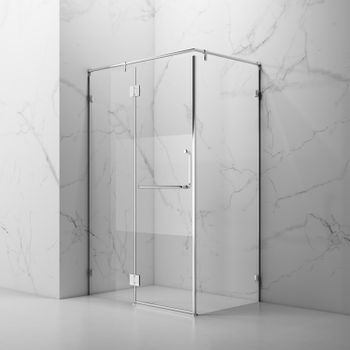
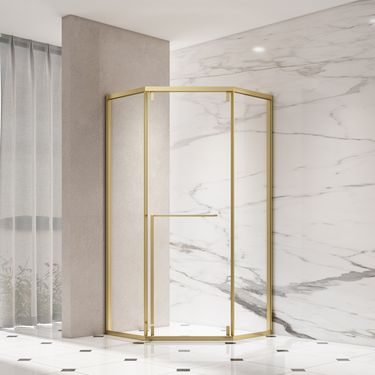
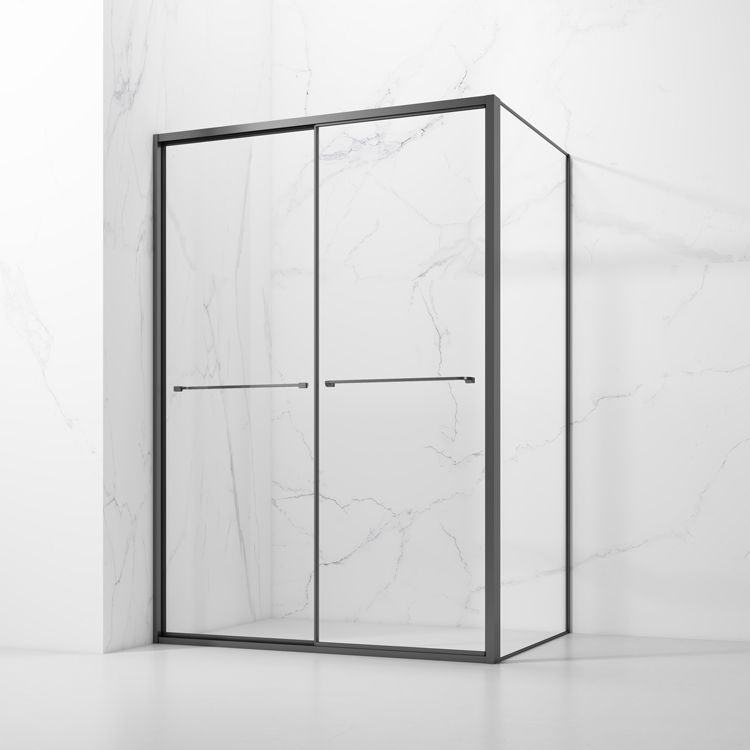
What is a Shower Enclosure? A shower enclosure is a self-contained unit that typically consists of glass panels, doors, and a shower tray. It is designed to create a dedicated space for showering, ensuring that water does not spill out into the rest of the bathroom. Shower enclosures come in a variety of shapes and sizes, including square, rectangular, and quadrant options, allowing homeowners to choose a design that fits their bathroom layout.
Key Features of Shower Enclosures:
Enclosed Structure: The most defining characteristic of a shower enclosure is its enclosed structure. The glass walls and doors create a contained area, which helps prevent water from splashing outside the shower zone.
Variety of Styles: Shower enclosures come in various designs, including framed, semi-frameless, and frameless styles. This allows homeowners to choose an enclosure that matches the overall aesthetic of their bathroom.
Space Efficient: Shower enclosures are ideal for smaller bathrooms because they can be installed in a corner or a niche. Some designs, such as quadrant enclosures, are specifically designed to maximize the use of space.
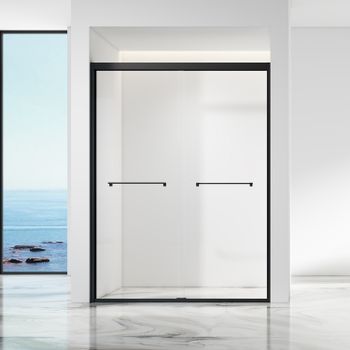
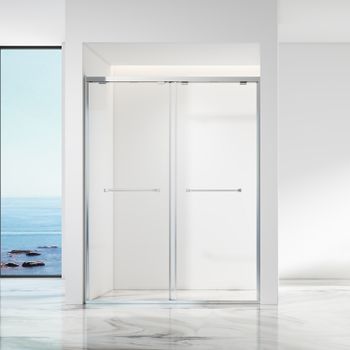
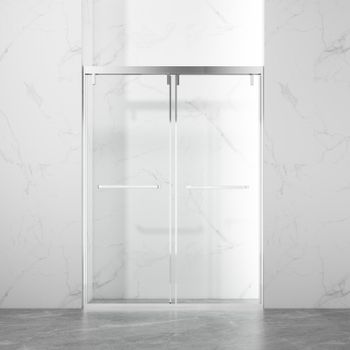
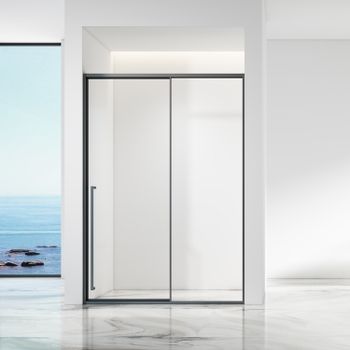
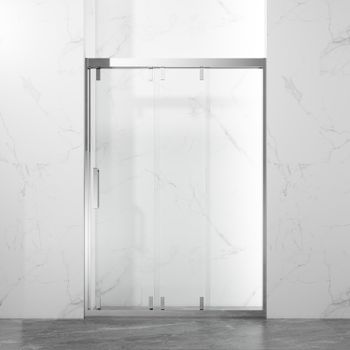
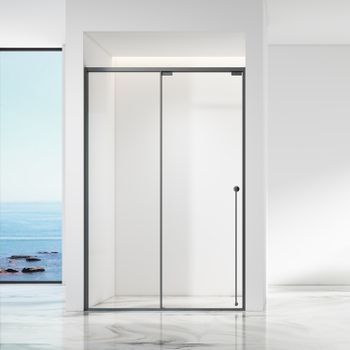
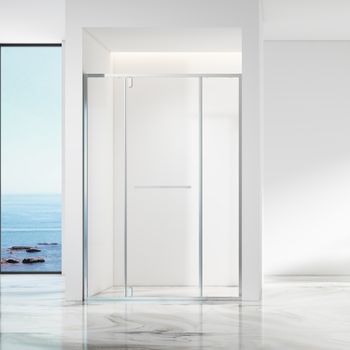
Customizable Options: Homeowners can choose from different glass thicknesses, door mechanisms (sliding, pivoting, or hinged), and finishes, making it easy to find a design that fits both function and style.
Better Containment of Water: Thanks to the enclosed nature of the unit, a shower enclosure is excellent for keeping water within the shower space, reducing the chances of water pooling outside and causing damage to bathroom floors.
Understanding Walk-in Showers
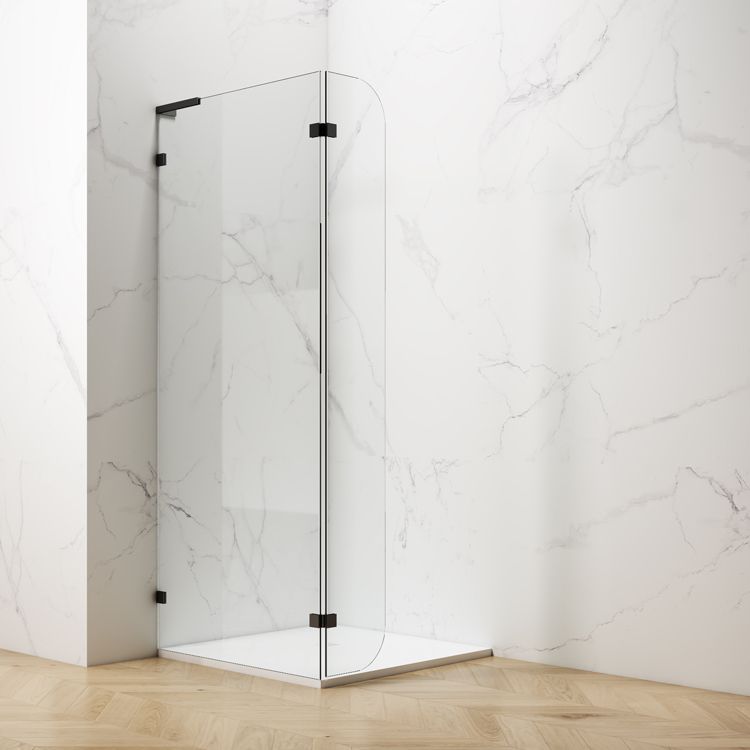
What Is a Walk-In Shower? A walk-in shower is a more open design that does not typically require a shower door. Instead, it consists of a large, often frameless, glass panel and an open entry. Walk-in showers usually feature a curbless design, allowing for seamless entry without the need to step over a threshold or shower tray. This feature makes walk-in showers particularly attractive for individuals seeking modern aesthetics and accessibility.
Key Features of Walk-in Showers:
Open and Spacious Design: Unlike the enclosed structure of a traditional shower enclosure, walk-in showers emphasize openness. The lack of doors or multiple panels gives the space an airy, minimalist look.
Accessibility: One of the biggest advantages of walk-in showers is that they are more accessible. The absence of a step-over threshold makes them an excellent choice for elderly individuals or those with mobility challenges, as they provide easy access.
Sleek Aesthetic: Walk-in showers are often associated with modern, luxury bathrooms due to their sleek, frameless design. This type of shower creates a streamlined appearance that can make small bathrooms appear larger.
Customizable Sizing: Walk-in showers can be built to almost any size, making them perfect for both large and small bathrooms. They can be as expansive or compact as needed, depending on the available space.
Easier to Clean: Without the numerous edges, seams, and doors found in traditional enclosures, walk-in showers are generally easier to clean and maintain. The open design helps to reduce mold buildup, as there are fewer places for water to accumulate.
Key Differences Between Shower Enclosures and Walk-in Showers
Now that we’ve covered the features of each, let’s compare the main differences between a shower enclosure and a walk-in shower to help you decide which is best for your bathroom.
1. Enclosure vs. Open Concept
The most obvious difference between the two is the level of enclosure. Shower enclosures are fully enclosed spaces with glass panels and doors, while walk-in showers have a more open concept, typically with just a single glass panel and no door.
- Shower Enclosures: These provide a more private, confined space that prevents water from escaping.
- Walk-in Showers: Offer a more open feel but may allow some water to splash outside the immediate shower area.
2. Space Requirements
Shower enclosures are more compact and suitable for smaller bathrooms. They are designed to fit into corners, making the most of limited space.
- Shower Enclosures: Perfect for small to medium-sized bathrooms where space is a constraint.
- Walk-in Showers: Require more space for their open design. While they can be adapted for smaller bathrooms, they often shine in larger, more spacious layouts.
3. Water Containment
One of the biggest considerations is how each type manages water. A traditional shower enclosure is much better at containing water within the shower area, while walk-in showers, especially curbless ones, may let some water escape.
- Shower Enclosures: Provide excellent water containment due to their enclosed design.
- Walk-in Showers: May require additional waterproofing and careful planning for drainage to prevent water from spilling into the rest of the bathroom.
4. Aesthetic Appeal
The choice between a shower enclosure and a walk-in shower can significantly impact the overall look of your bathroom. Shower enclosures offer a more traditional, contained appearance, while walk-in showers create a modern, spacious feel.
- Shower Enclosures: Best for traditional or contemporary designs with a focus on functionality.
- Walk-in Showers: Ideal for those seeking a modern, minimalistic aesthetic with a touch of luxury.
5. Accessibility
Accessibility is another important factor, particularly for families with elderly members or those with mobility challenges. Walk-in showers are the more accessible option, as they eliminate the need to step over a threshold.
- Shower Enclosures: Typically require stepping over a tray or threshold, which might be less convenient for some individuals.
- Walk-in Showers: Offer barrier-free entry, making them ideal for accessible bathroom designs.
6. Maintenance
Maintenance can differ between the two types. Walk-in showers, with their simpler, frameless designs, are generally easier to clean, while shower enclosures require more frequent cleaning of their doors, panels, and joints to prevent soap scum and mold buildup.
- Shower Enclosures: Require more upkeep due to the multiple components (e.g., doors and frames).
- Walk-in Showers: Easier to clean with fewer components.
Conclusion: Which Is Right for You?
The choice between a shower enclosure and a walk-in shower ultimately comes down to personal preference, space availability, and functional needs. If you have a small bathroom or prioritize water containment, a shower enclosure is a great option. On the other hand, if you’re looking for a modern, accessible, and spacious shower solution, a walk-in shower could be the perfect choice.
At FUSA Shower we offer a wide range of both shower enclosures and walk-in shower options to meet your needs. Whether you’re aiming for a sleek modern look or a space-saving solution, our products are designed to blend style, functionality, and durability. Explore our collection to find the perfect fit for your bathroom today!

©2024 FUSA All Rights Reserved.