


What is a Shower Enclosure? Types of Shower Enclosures
A well-designed bathroom can significantly enhance the comfort and functionality of a home. Among the various elements that contribute to a bathroom's appeal, a shower enclosure stands out. But what exactly is a shower enclosure, and why is it an essential feature in modern bathrooms? This article delves into the world of shower enclosures, exploring their types, benefits, installation processes, and maintenance tips.
Definition of Shower Enclosure
What is a Shower Enclosure?
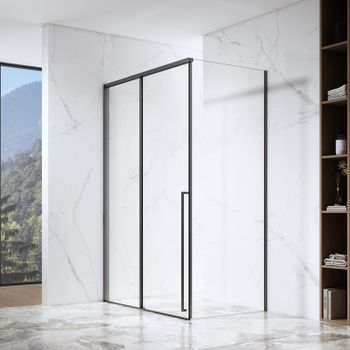
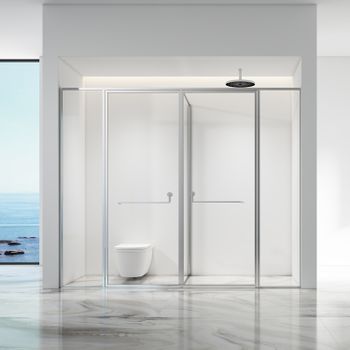
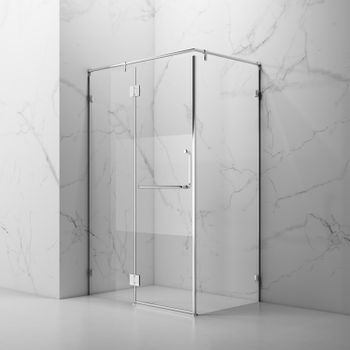
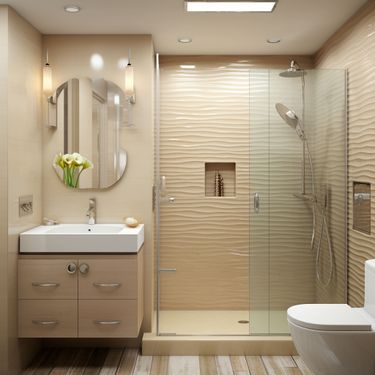
A shower enclosure is a designated space in a bathroom that contains the shower area. It is typically enclosed by glass or other waterproof materials to prevent water from splashing out into the rest of the bathroom. This feature not only keeps the bathroom dry and clean but also adds a touch of elegance and modernity to the space.
Types of Shower Enclosures
Frameless Shower Enclosures
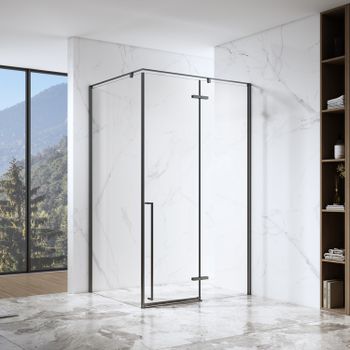
Frameless shower enclosures are made primarily of glass panels without the need for metal framing around the edges. This design provides a sleek, clean look and makes the bathroom appear more spacious.
Semi-Frameless Shower Enclosures
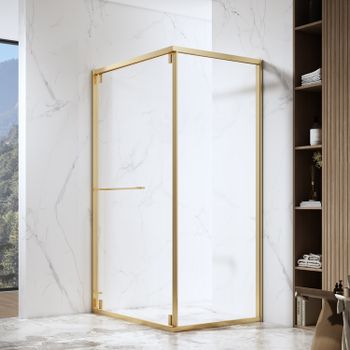
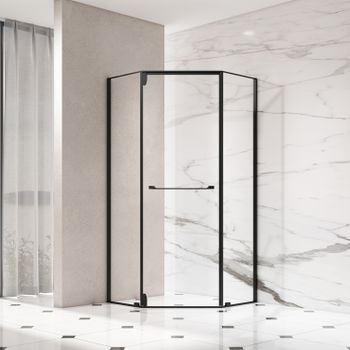
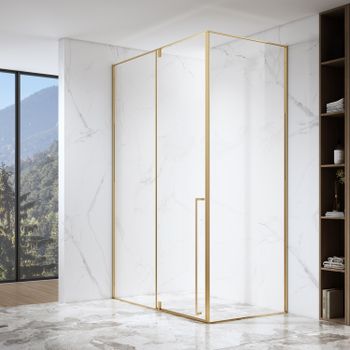
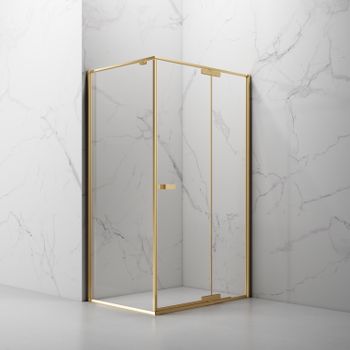
These enclosures combine elements of both frameless and framed designs. They have some metal framing, usually around the perimeter, while the door itself remains frameless, offering a balance between aesthetics and functionality.
Framed Shower Enclosures
Framed shower enclosures feature metal frames around all edges of the glass panels. This type of enclosure is generally more robust and can be a more economical choice compared to frameless options.
Sliding Door Shower Enclosures
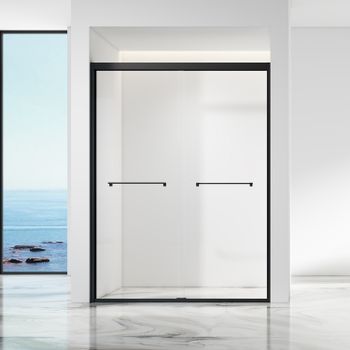
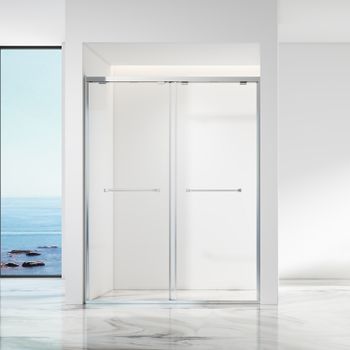
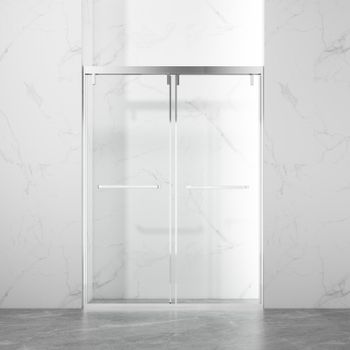
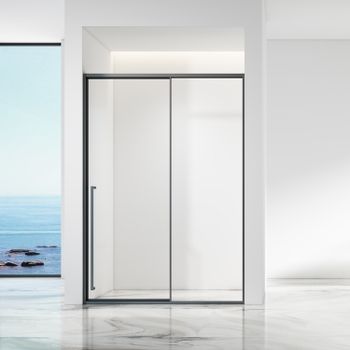
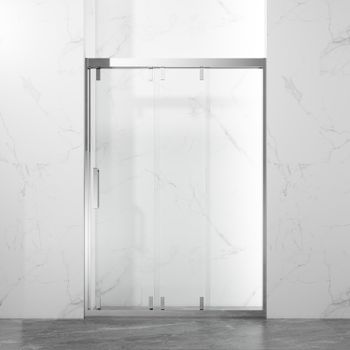
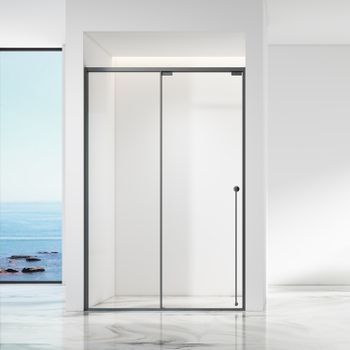
Ideal for bathrooms with limited space, sliding door shower enclosures feature doors that slide open and closed along a track. This design saves space while maintaining a modern look.
Pivot Door Shower Enclosures
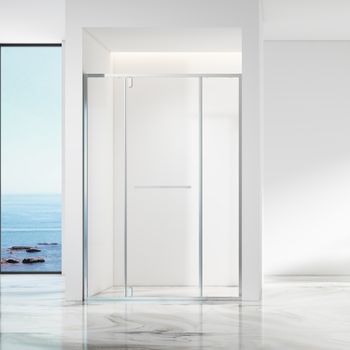
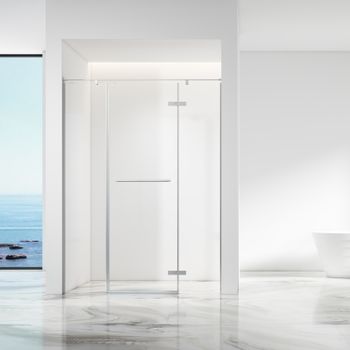
Pivot door enclosures have doors that swing open, either inward or outward. This type is suitable for larger bathrooms where space is not a constraint, offering a classic and elegant touch.
Materials Used in Shower Enclosures
Glass Shower Enclosures
Glass is the most popular material for shower enclosures due to its transparency, which can make the bathroom appear larger and more open. It is also easy to clean and maintain.
Acrylic Shower Enclosures
Acrylic is a versatile material that can be molded into various shapes and sizes. It is lightweight, cost-effective, and available in numerous finishes.
Fiberglass Shower Enclosures
Fiberglass is another common material used for shower enclosures. It is durable, easy to install, and can be finished in a variety of colors and textures to match any bathroom decor.
Benefits of Shower Enclosures
Enhancing Bathroom Aesthetics
Shower enclosures can significantly enhance the visual appeal of a bathroom. With various styles and finishes available, they can complement any bathroom design, from minimalist to luxurious.
Maximizing Space Utilization
By containing the shower area within a defined space, shower enclosures help in maximizing the usable area of the bathroom. This is particularly beneficial in small bathrooms where every inch of space counts.
Ease of Cleaning and Maintenance
Shower enclosures are generally easy to clean and maintain. Glass and acrylic surfaces can be wiped down quickly, and the enclosed space helps in containing water and preventing spills, reducing the risk of mold and mildew.
Increasing Property Value
A modern and well-installed shower enclosure can add significant value to a property. It enhances the functionality and aesthetics of the bathroom, making it more appealing to potential buyers.
Installation of Shower Enclosures
Measuring and Planning
Accurate measurements and careful planning are crucial when installing a shower enclosure. This ensures that the enclosure fits perfectly within the designated space and functions correctly.
Choosing the Right Type
Selecting the appropriate type of shower enclosure depends on the bathroom's layout, available space, and personal preferences. It's important to consider both aesthetic and functional aspects.
Step-by-Step Installation Guide
- Measure the shower space accurately.
- Choose the type of shower enclosure.
- Assemble the necessary tools and materials.
- Install the base or tray.
- Fit the side panels and doors.
- Seal the edges to prevent leaks.
- Test the enclosure for stability and watertightness.
Maintenance Tips for Shower Enclosures
Regular Cleaning Routines
Regular cleaning is essential to keep shower enclosures looking new and functioning properly. Use non-abrasive cleaners and a soft cloth to avoid scratching the surfaces.
Preventing Mold and Mildew
Ensuring proper ventilation in the bathroom can prevent the buildup of mold and mildew. Wipe down the enclosure after each use and leave the door open to allow air circulation.
Handling Minor Repairs
Minor issues, such as loose handles or small leaks, should be addressed promptly to prevent further damage. Keep a repair kit handy for quick fixes.
Cost Considerations
Initial Purchase Costs
The initial cost of a shower enclosure varies based on the type, material, and brand. Frameless glass enclosures tend to be more expensive than framed or acrylic options.
Installation Costs
Professional installation costs can add to the overall expense. It's advisable to get multiple quotes from reputable installers to ensure a fair price.
Long-Term Maintenance Costs
Maintaining a shower enclosure involves periodic cleaning and minor repairs. Using high-quality materials and proper maintenance can minimize long-term costs.
Design Ideas for Shower Enclosures
Minimalist Designs
Minimalist shower enclosures feature clean lines and simple designs. They often use frameless glass to create an open, airy feel in the bathroom.
Luxurious Designs
For a touch of luxury, consider enclosures with high-end finishes, custom glass, and elegant hardware. These designs can transform a bathroom into a spa-like retreat.
Space-Saving Designs
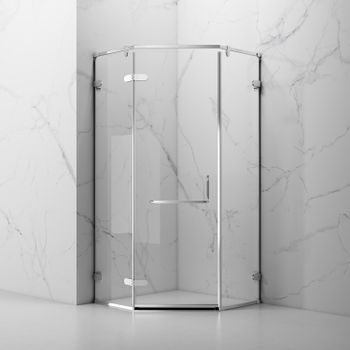
In small bathrooms, space-saving shower enclosures such as corner units or sliding door enclosures can maximize the available space without compromising on style.
Common Problems and Solutions
Leaks and Water Seepage
Leaks can occur due to improper installation or worn-out seals. Regularly inspect the seals and replace them if necessary to prevent water seepage.
Glass Scratches and Stains
Use non-abrasive cleaners to avoid scratching the glass. For tough stains, a mixture of vinegar and water can be effective.
Hardware Issues
Loose handles or hinges can be tightened with a screwdriver. If the hardware is damaged, replace it promptly to maintain the functionality of the enclosure.
Shower Enclosures vs. Shower Curtains
Pros and Cons Comparison
Shower enclosures offer better water containment and a more modern look compared to shower curtains. However, they can be more expensive and require professional installation.
Aesthetic Differences
Shower enclosures provide a sleek, modern appearance, while shower curtains offer a more traditional look. The choice depends on the overall bathroom design.
Environmental Impact
Eco-Friendly Materials
Opt for shower enclosures made from recycled or sustainable materials. Glass and acrylic are generally more eco-friendly options compared to certain plastics.
Water Conservation Tips
Install water-saving showerheads and ensure that the enclosure is properly sealed to prevent water wastage. Regular maintenance can also help in conserving water.
Innovations in Shower Enclosures
Smart Shower Enclosures
Smart technology has entered the bathroom space, with features like digital controls, built-in lighting, and even smart glass that can change opacity for privacy.
Customizable Features
Many manufacturers offer customizable options, allowing homeowners to choose specific features such as etched designs, tinted glass, and custom hardware.
Frequently Asked Questions (FAQs)
What is the best material for a shower enclosure?
The best material depends on your needs and budget. Glass is popular for its aesthetic appeal, while acrylic and fiberglass are more budget-friendly and durable options.
How do I choose the right shower enclosure?
Consider your bathroom's layout, available space, and personal preferences. Measure the area accurately and choose a type that complements your bathroom design.
Can I install a shower enclosure myself?
While it's possible to install a shower enclosure yourself, professional installation is recommended for a perfect fit and to avoid potential issues like leaks.
How often should I clean my shower enclosure?
It's best to clean your shower enclosure weekly to prevent soap scum and mineral buildup. Wiping down the enclosure after each use can also help maintain its cleanliness.
Are shower enclosures eco-friendly?
Shower enclosures can be eco-friendly if made from sustainable materials and installed with water-saving features. Proper maintenance also helps in reducing environmental impact.
What is the average lifespan of a shower enclosure?
With proper care and maintenance, a high-quality shower enclosure can last between 10 to 20 years. Regular cleaning and prompt repairs can extend its lifespan.
Conclusion
Shower enclosures are a practical and stylish addition to any bathroom. They offer numerous benefits, from enhancing aesthetics to maximizing space and increasing property value. Understanding the different types, materials, and installation processes can help you make an informed decision. Regular maintenance will ensure your shower enclosure remains a functional and attractive feature in your home for years to come.

©2024 FUSA All Rights Reserved.