


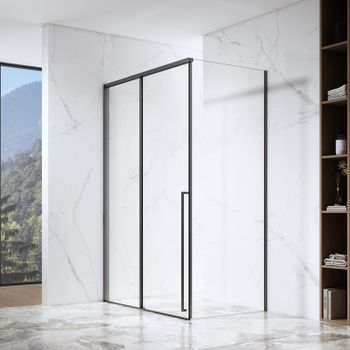
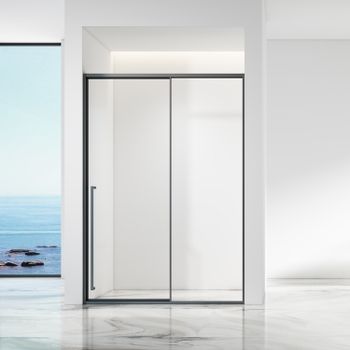
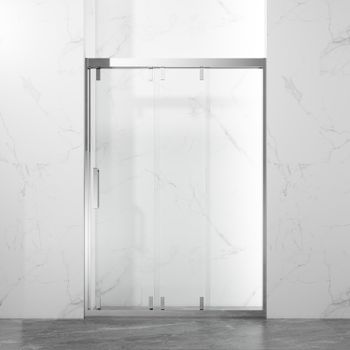
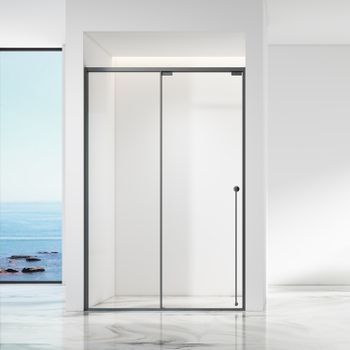
How Much Does a Shower Screen Cost?
When planning a bathroom renovation, one of the most common questions is: How much does a shower screen cost? Knowing the factors that influence price is essential to setting a realistic budget and making smart choices. Shower screens vary widely in design, material, and size, all of which impact their cost.
Beyond aesthetics, shower screens play a crucial role in keeping water contained within the shower area, protecting your bathroom floors and walls from damage caused by moisture. A well-chosen shower screen not only enhances the overall look of your bathroom but also improves functionality and cleanliness.
In this guide, we’ll explore everything you need to know about shower screen cost, from different types and materials to installation expenses and helpful tips for saving money. With this knowledge, you’ll be better equipped to select the perfect shower screen that fits both your style and budget.
What Is a Shower Screen?
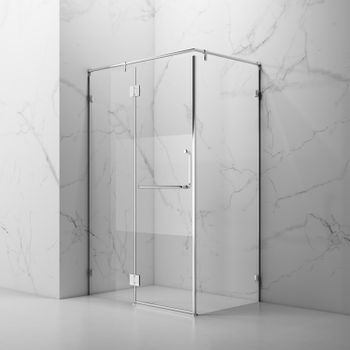
A shower screen is a panel made of glass or acrylic that is installed to enclose your shower area, effectively preventing water from splashing outside the designated wet zone. Compared to traditional shower curtains, shower screens provide a more durable and long-lasting solution. They are also easier to clean and maintain, helping to keep your bathroom looking neat and fresh with minimal effort.
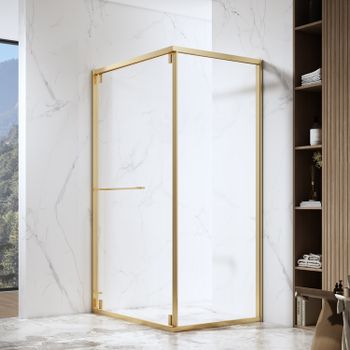
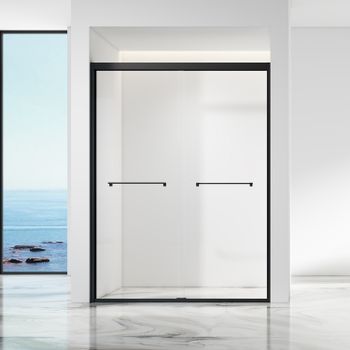
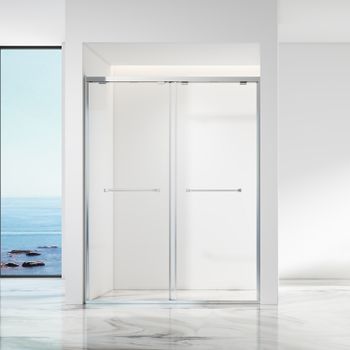
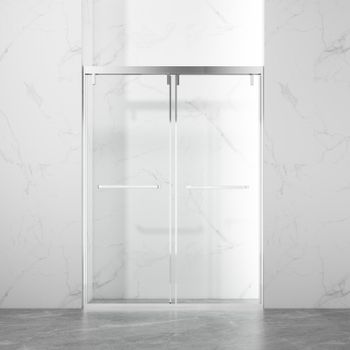
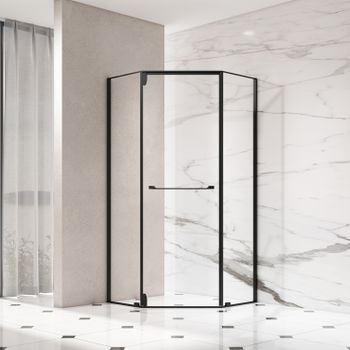
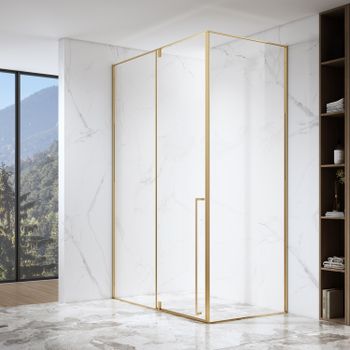
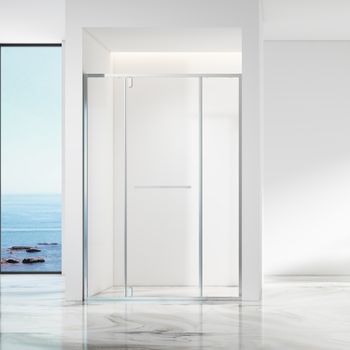
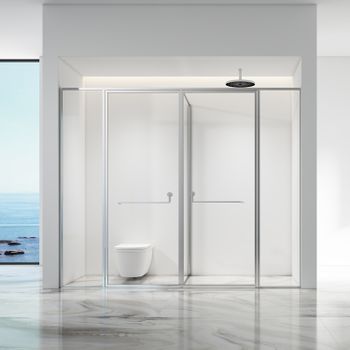
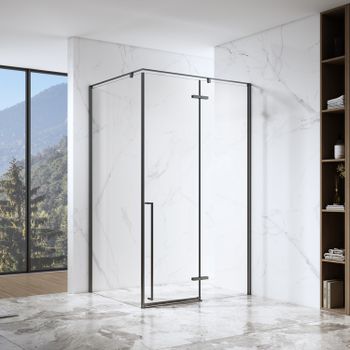
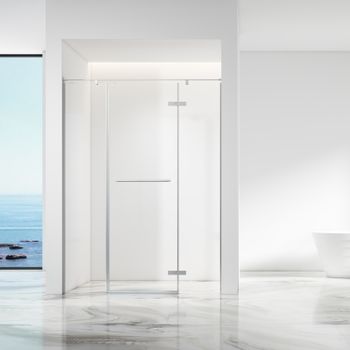
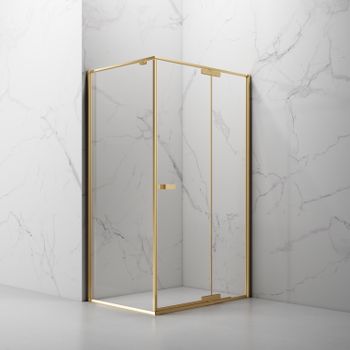
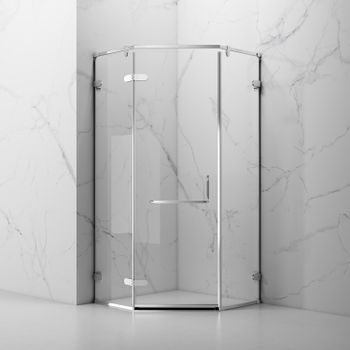
Shower screens come in a variety of designs to suit different bathroom styles and preferences. Common options include framed screens, which have metal borders for added support; semi-frameless screens that combine frames with larger glass panels; and frameless screens that offer a sleek, modern look with minimal hardware. Understanding these types and their typical shower screen cost is essential when planning your bathroom renovation, allowing you to budget effectively and choose the best fit for your space.
Factors That Affect Shower Screen Cost
Several factors influence the overall cost of a shower screen:
Type of Shower Screen
- Framed screens: These are the most affordable, featuring metal frames around the glass panels. They are sturdy but less sleek in appearance.
- Semi-frameless screens: Combining frames with larger glass areas, these offer a balance of style and price.
- Frameless screens: These premium options use thick toughened glass with minimal hardware, providing a clean, modern look. Frameless shower screens usually come with the highest cost.
Material Used
Most shower screens are made from toughened safety glass, which varies in thickness and quality. Acrylic screens are less common but cheaper and lighter. Coated glass with anti-limescale or water-repellent treatments may also increase the price but improve maintenance.
Size and Customization
Standard shower screen sizes are usually less expensive because they are mass-produced. Custom-sized or uniquely shaped screens designed to fit specific bathroom layouts will increase the shower screen cost significantly.
Glass Thickness
Typical glass thickness ranges from 6mm to 10mm. Thicker glass adds strength and durability but also raises the price.
Additional Features
Extra features such as waterproof seals, easy-slide rollers, premium hinges, and special coatings can enhance the user experience but add to the total cost.
Brand and Quality
Known brands often charge more due to their reputation, warranty, and quality assurance. Investing in a reputable brand may reduce long-term costs related to repairs or replacements.
Price Range Overview
Here’s a general idea of what you might expect to pay for different types of shower screens:
| Price Range | Description |
| $100 – $300 | Basic framed screens, small sizes |
| $300 – $700 | Semi-frameless, better materials, medium size |
| $700 – $1500+ | Frameless, custom sizes, premium brands |
Prices vary by location and supplier, so it’s a good idea to shop around.
Installation Costs
Often overlooked, installation is a key part of the shower screen cost. Some suppliers include installation in the price, but many do not. Hiring a professional installer typically costs between $100 and $300, depending on complexity and region. Proper installation ensures the screen is secure and watertight, preventing costly water damage later.
If you choose to install the screen yourself, you save on labor but must ensure precise fitting and sealing.
Where to Buy and What to Look For
You can purchase shower screens from local home improvement stores, specialist bathroom retailers, or online platforms. When buying, consider:
- Certification for safety standards (e.g., toughened glass)
- Warranty and after-sales support
- Customer reviews and brand reputation
Avoid choosing based solely on price—quality and durability matter.
Tips for Saving on Shower Screen Cost
- Buy during sales or off-season when discounts are common
- Opt for standard sizes to reduce custom manufacturing costs
- Purchase as part of a bathroom package for bundled savings
- Choose a mid-range brand that balances quality and price
Conclusion
Understanding how much a shower screen costs involves more than just comparing prices. Several important factors come into play, including the type of shower screen, the materials used, the complexity of installation, and the reputation of the brand. While opting for the cheapest option may seem appealing at first, investing in quality products can save you from frequent repairs, poor performance, and added expenses in the long run.
If you want to ensure your bathroom looks great and functions perfectly, consider choosing trusted brands like Fusa Shower, which offer durable and stylish shower screens tailored to different budgets. For more detailed information, personalized recommendations, and competitive pricing, visit the Fusa Shower and discover solutions that will elevate your bathroom experience.

©2024 FUSA All Rights Reserved.