


Are Walk-in Showers Practical? Exploring the Benefits and Drawbacks
Walk-in showers have become a popular choice in modern bathroom design, offering a sleek, stylish, and functional alternative to traditional shower-tub combinations. But are they practical for everyday use? This article explores the practicality of walk-in showers, examining their benefits, drawbacks, and key considerations to help you decide if a walk-in shower is the right choice for your home.
Introduction to Walk-in Showers
What is a Walk-in Shower?
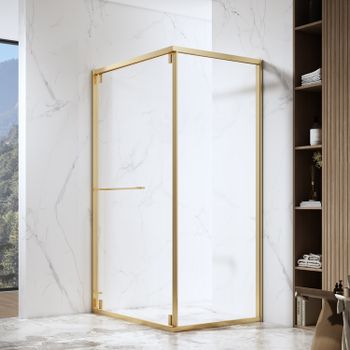
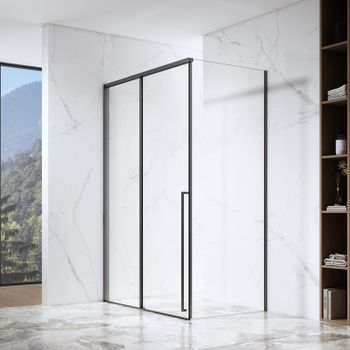
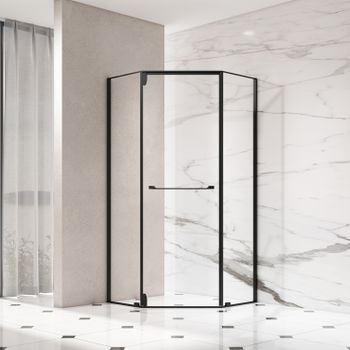
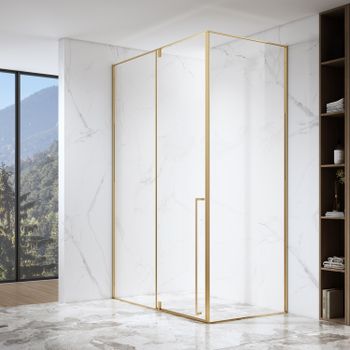
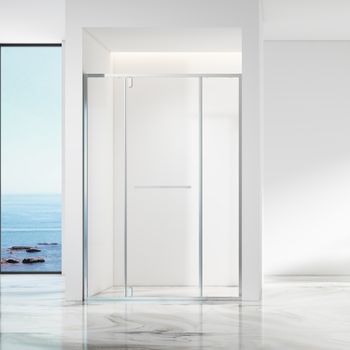
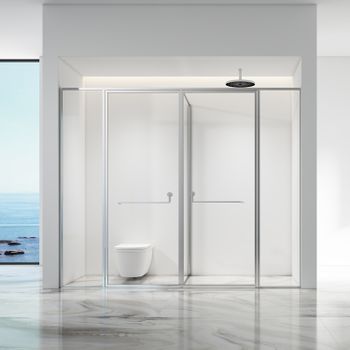
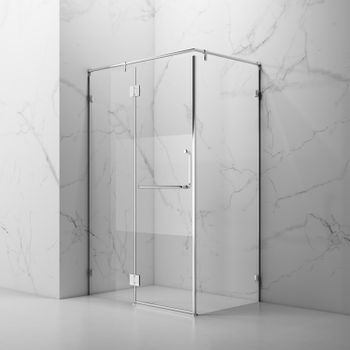
A walk-in shower is a shower area that is open or partially enclosed, usually without a door or curtain, allowing easy access. Unlike traditional showers, which are often combined with a bathtub, walk-in showers are standalone features that can vary greatly in size and design. They can be customized to fit any bathroom space, making them a versatile option for homeowners.
Evolution of Walk-in Showers: From Luxury to Mainstream
Historically, walk-in showers were seen as a luxury feature, often found in high-end homes and resorts. However, as bathroom design trends have evolved, they have become more accessible and popular in everyday homes. Advances in materials and design have made walk-in showers a practical choice for many homeowners, regardless of budget or bathroom size.
Benefits of Walk-in Showers
Walk-in showers offer numerous benefits that make them an attractive option for many homeowners. They provide easy access, especially for those with mobility issues, and create a spacious, open feel in the bathroom. Additionally, they are easy to clean and maintain, with fewer nooks and crannies for dirt and mold to accumulate.
Practicality of Walk-in Showers
Space Considerations
One of the key factors in determining the practicality of a walk-in shower is the available space in your bathroom. Walk-in showers can be designed to fit small or large spaces, but they do require careful planning to ensure that the shower area is functional and aesthetically pleasing. In smaller bathrooms, a walk-in shower can create the illusion of more space, while in larger bathrooms, it can serve as a focal point.
Accessibility and Safety
Walk-in showers are particularly practical for people with mobility issues, as they eliminate the need to step over a high tub wall. This makes them an excellent choice for aging-in-place designs or homes with elderly residents. To enhance safety, walk-in showers can be equipped with grab bars, non-slip flooring, and built-in seating.
Cost Factors
The cost of installing a walk-in shower can vary widely depending on the design, materials, and labor involved. While they can be more expensive than traditional shower-tub combinations, many homeowners find the investment worthwhile due to the increased accessibility and modern aesthetic. Additionally, the resale value of a home can benefit from the inclusion of a stylish, well-designed walk-in shower.
Design Flexibility
Walk-in showers offer a high degree of design flexibility, allowing homeowners to choose from a variety of materials, layouts, and features. Whether you prefer a minimalist look with clear glass panels or a more luxurious design with intricate tile work, a walk-in shower can be tailored to meet your specific preferences.
Advantages of Walk-in Showers
Enhanced Accessibility for All Ages
Walk-in showers provide easy access for people of all ages, making them ideal for households with children, elderly members, or individuals with disabilities. The lack of barriers allows for smoother entry and exit, reducing the risk of slips and falls.
Easy Maintenance and Cleaning
One of the standout advantages of walk-in showers is their ease of maintenance. With fewer surfaces and edges to clean, they require less effort to keep spotless. The open design also helps to prevent the buildup of mold and mildew, which is common in traditional enclosed showers.
Modern and Sleek Aesthetic Appeal
The clean lines and open design of walk-in showers give them a contemporary look that can enhance the overall aesthetic of any bathroom. They can make a bathroom feel more spacious and airy, contributing to a relaxing and spa-like atmosphere.
Versatility in Small and Large Bathrooms
Walk-in showers are versatile enough to be installed in both small and large bathrooms. In compact spaces, they can make the room feel larger by eliminating the need for a bulky bathtub. In larger bathrooms, they can be designed as luxurious, expansive features that serve as the centerpiece of the room.
Disadvantages of Walk-in Showers
Potential for Water Spillage
One of the most common concerns with walk-in showers is the potential for water to splash outside the shower area. Without a door or curtain to contain the water, careful design considerations must be made to ensure proper drainage and prevent water from spreading to other parts of the bathroom.
Lack of Privacy
The open design of walk-in showers can sometimes compromise privacy, especially in shared bathrooms. While this may not be an issue in a master bathroom, it can be a consideration for households with multiple occupants.
Potential Higher Installation Costs
While walk-in showers offer many benefits, they can also come with higher installation costs compared to traditional showers. This is especially true if extensive remodeling is required to accommodate the new shower design. Custom materials, such as high-end tiles and glass enclosures, can also add to the overall expense.
Coldness and Lack of Insulation
Another potential drawback of walk-in showers is that they can feel colder than enclosed showers. The lack of a door or curtain can make it difficult to retain heat, leading to a less comfortable showering experience, especially in colder climates. However, this can be mitigated with features like heated floors or strategically placed heating elements.
Walk-in Showers vs Traditional Showers
Space Requirements
Walk-in showers generally require more space than traditional showers, especially if you want to include features like seating or multiple shower heads. However, they can be designed to fit into smaller spaces, making them a viable option for various bathroom sizes.
Ease of Installation
The installation of a walk-in shower can be more complex than that of a traditional shower or bathtub, often requiring professional help to ensure proper drainage and waterproofing. However, the investment in a professional installation can pay off in terms of durability and long-term value.
Aesthetic Appeal
While traditional showers offer a classic look, walk-in showers provide a modern, sleek aesthetic that appeals to many homeowners. The open design and use of glass, stone, or tile can elevate the overall look of the bathroom, making it feel more luxurious and contemporary.
Long-term Value
In terms of long-term value, walk-in showers can increase the resale value of a home, especially in markets where modern, updated bathrooms are in demand. Their appeal to a wide range of buyers, including those looking for accessibility features, can make them a worthwhile investment.
Key Design Considerations
Floor Slope and Drainage
Proper drainage is critical in a walk-in shower to prevent water from pooling or spilling into the rest of the bathroom. The floor should be sloped toward the drain, and the size and placement of the drain should be carefully considered to ensure efficient water removal.
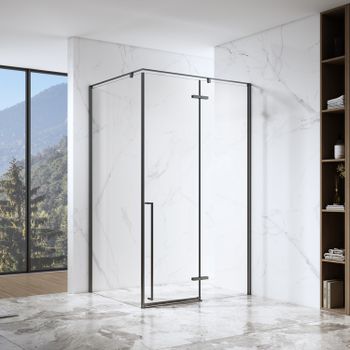
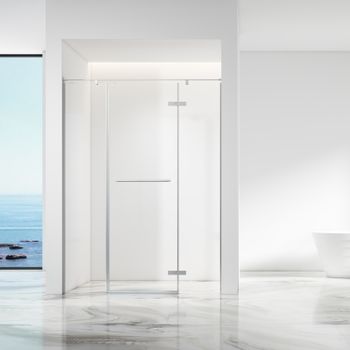
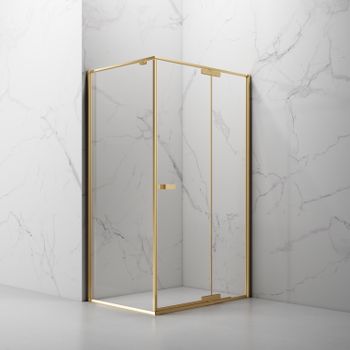
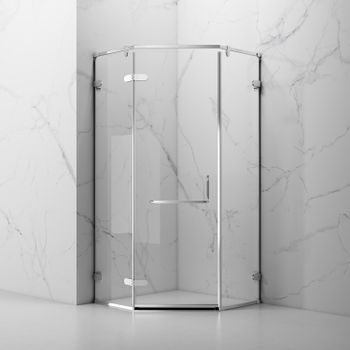
Glass Enclosures and Panels
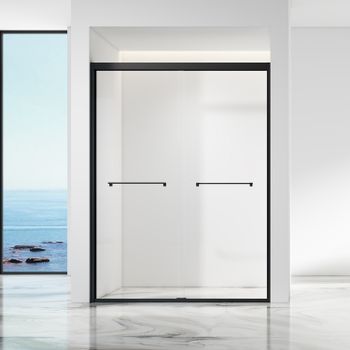
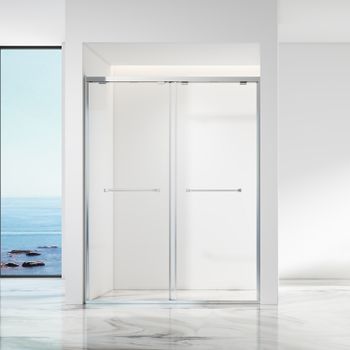
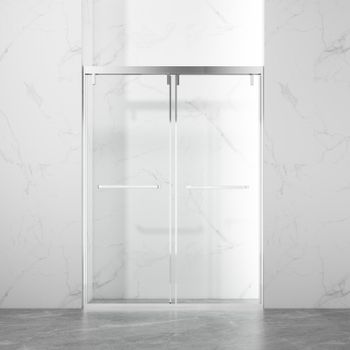
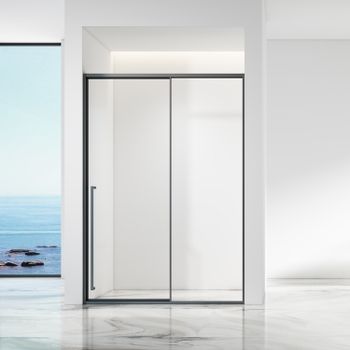
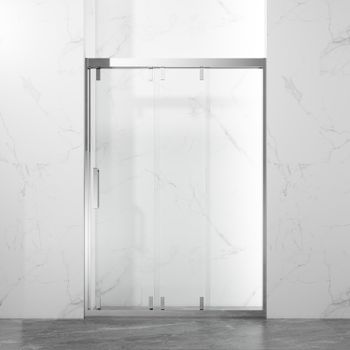
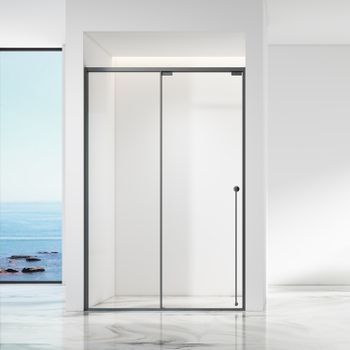
Glass panels are a popular choice for walk-in showers because they help to maintain an open and airy feel. However, the type and thickness of the glass should be chosen based on durability and ease of maintenance. Clear glass can show water spots more easily, while frosted or textured glass can offer more privacy and easier upkeep.
Non-Slip Flooring Options
Safety is a top priority in walk-in shower design, and choosing the right flooring is essential. Non-slip materials, such as textured tiles or rubber flooring, can help prevent slips and falls. It's also important to consider the grout lines, as smaller tiles with more grout can offer additional traction.
Incorporating Seating and Shelving
Adding built-in seating and shelving to a walk-in shower can enhance both its functionality and comfort. Seats provide a place to rest, which is especially useful for older adults or those with mobility issues. Shelving offers convenient storage for toiletries, keeping the shower area organized and clutter-free.
Walk-in Showers for Different Home Types
Apartments and Condos
Walk-in showers can be an excellent choice for apartments and condos where space is at a premium. They can make a small bathroom feel larger and more open, and their modern design can enhance the overall aesthetic of the living space.
Single-Family Homes
In single-family homes, walk-in showers can be a focal point in the bathroom, offering a luxurious experience for homeowners. They can be customized to suit the style of the home, from minimalist and modern to rustic and traditional.
Luxury Homes and Mansions
For luxury homes and mansions, walk-in showers can be designed as expansive, spa-like retreats. They can include multiple shower heads, steam features, and custom tile work, providing an opulent bathing experience.
Accessible Homes
Walk-in showers are particularly well-suited for accessible homes, as they offer barrier-free entry and can be equipped with features like grab bars and seating. This makes them a practical and stylish choice for homes designed with accessibility in mind.
Installation and Renovation Tips
DIY vs. Professional Installation
While some homeowners may be tempted to install a walk-in shower themselves, professional installation is recommended to ensure proper waterproofing, drainage, and structural integrity. A professional can also help with design considerations and ensure that the installation meets all local building codes.
Timeline and Disruption
Installing a walk-in shower can be a significant renovation project that may require the bathroom to be out of commission for several days or even weeks, depending on the complexity of the installation. It's important to plan accordingly and consider the impact on daily routines.
Cost Breakdown: Materials, Labor, and Hidden Costs
The cost of a walk-in shower can vary widely depending on the materials used and the complexity of the installation. Common materials include tile, stone, glass, and high-end fixtures, all of which can add to the overall cost. It's also important to budget for labor costs and potential hidden costs, such as plumbing upgrades or structural modifications.
Popular Trends in Walk-in Showers
Open-Concept Designs
Open-concept walk-in showers are a popular trend that emphasizes spaciousness and accessibility. These designs often feature frameless glass panels, minimalistic hardware, and seamless transitions between the shower and the rest of the bathroom.
Frameless Glass Showers
Frameless glass showers are a sleek and modern option that eliminates the need for bulky frames, allowing for a more open and airy feel. They are often paired with minimalist hardware and simple, elegant fixtures.
Curbless Showers for a Seamless Look
Curbless showers, which eliminate the step or ledge at the entrance to the shower, create a seamless transition between the shower and the rest of the bathroom. This design is both practical and aesthetically pleasing, offering easy access and a clean, modern look.
Smart Showers: Integrating Technology
Smart showers are becoming increasingly popular, offering features like digital controls, water-saving technology, and customizable settings. These showers can be programmed to deliver the perfect temperature, water pressure, and duration, providing a personalized and luxurious showering experience.
Conclusion: Is a Walk-in Shower Right for You?
In conclusion, walk-in showers offer numerous benefits, including accessibility, easy maintenance, and a modern aesthetic. However, they also come with potential drawbacks, such as higher installation costs and the need for careful design to prevent water spillage. When considering a walk-in shower, it's important to weigh these factors against your specific needs, preferences, and bathroom layout.
Whether you're renovating an existing bathroom or building a new home, a walk-in shower can be a practical and stylish addition that enhances both the functionality and value of your property.

©2024 FUSA All Rights Reserved.